
We often feel like we’re always behind in our health goals. The pressure to be perfect can be overwhelming. But, we think true vitality starts with a gentle change in how we see our future.
Join us as we explore a kinder way to care for your body and soul. Embracing a longevity mindset means focusing on small, steady habits. These habits help us stay strong for many years.
This path is all about intentional wellness. Every choice we make shows our dedication to self-care. Wellness is a journey, not a destination. We celebrate the steady progress we make each day, not perfection.
Key Takeaways
- View health as a continuous lifelong journey, not a fixed goal.
- Prioritize daily habits over quick fixes.
- Value steady progress over perfection.
- Focus on long-term vitality for a bright future.
- Make choices that honor your body’s needs.
- Cultivate a nurturing environment for growth.
1. Understanding What a Longevity Mindset Really Means
To understand the longevity mindset, we need to explore its main ideas. It’s about thinking in a way that helps us live longer, healthier, and happier lives.
Defining the Core Principles of Longevity Thinking
Longevity thinking is about taking care of our whole health. It shows how our body, mind, and spirit are connected. It’s important to know that our thoughts greatly affect our health.
By thinking positively, being resilient, and managing stress, we build a strong base for wellness. This mindset helps us make choices that benefit our health over time.
It also means adopting healthy habits, paying attention to what we eat, and staying active. These actions support our long-term health.
How Mental Attitude Shapes Physical Health Outcomes
Our thoughts greatly impact our physical health. A positive mindset can strengthen our immune system, lower inflammation, and even change our genes. On the other hand, stress and negative thoughts can harm our health and speed up aging.
By choosing to think positively, we can greatly improve our health and happiness. This includes being thankful, doing things that make us happy, and finding ways to handle stress.
We suggest starting with small, easy changes and sticking to them. This will help you build a mindset that supports a long, healthy life. Begin your journey towards a better, more vibrant life today.
2. The Science Behind Positive Aging and Extended Healthspan
Exploring the science of positive aging reveals a strong link between our mindset and aging. Our mindset affects our healthspan in significant ways. Healthspan is the time we live in good health, without chronic diseases or disabilities.
Studies show that those with a positive outlook on aging tend to live longer and healthier lives. This is a key finding in the field.
What Research Reveals About Mindset and Lifespan
Many studies have looked into how mindset affects aging. For example, a study in Psychosomatic Medicine found that older adults with a positive attitude towards aging lived longer and healthier lives. This compared to those with negative attitudes.
“A positive attitude towards aging can significantly influence an individual’s healthspan, contributing to a longer and healthier life.”
This shows how important mindset is for both lifespan and quality of life as we age.
Research on mindset and aging has found several key points:
- A positive mindset is linked to lower stress hormones like cortisol, which protects the body.
- Those with a positive outlook tend to do more healthy things, like exercise and eat well.
- Positive attitudes towards aging are also linked to better brain function and lower dementia risk.
The Biological Impact of Your Thoughts on Aging
The ways our thoughts affect aging are complex. But, it’s clear that our mindset can change our body’s responses. This includes things like inflammation and telomere length—the protective caps on our chromosomes that shorten with age. Stress and negative thinking can make telomeres shorten faster, leading to early aging. On the other hand, a positive mindset can slow down these effects, helping us live longer and healthier.
By learning about the science of positive aging and how mindset affects healthspan, we can work on having a more positive mindset. This improves our well-being and helps us live longer, healthier lives.
3. Wellness as a Lifelong Practice, Not a Destination
Wellness is not just a state; it’s a journey that needs commitment. In today’s world, it’s tempting to look for quick health fixes. But, true wellness comes from sustainable habits that last a lifetime.
Why Quick Fixes Cannot Replace Sustainable Habits
Quick fixes and fad diets might seem helpful at first. But they often don’t solve the real problems and can make us feel stuck. On the other hand, habits like regular exercise, healthy eating, and managing stress are key to lasting wellness. As
“The greatest wealth is health.” — Virgil
, reminds us to value our health above all.
Let’s look at the difference between quick fixes and lasting habits:
| Approach | Characteristics | Long-term Outcome |
|---|---|---|
| Quick Fixes | Temporary, often drastic measures | Short-lived results, possible harm |
| Sustainable Habits | Gradual, consistent practices | Long-lasting health gains, better well-being |
Reframing Health as a Continuous Journey
Seeing health as a journey helps us stay positive and strong. We set achievable goals, celebrate small wins, and are kind to ourselves when we slip up. As we travel this path, we can add simple, yet powerful habits to our daily life, like:
- Drinking lots of water all day
- Doing fun physical activities
- Using mindfulness and stress-reducing methods
By choosing sustainable habits, we gain a deeper understanding of wellness. We make choices that support our health and energy for the long haul.
4. Building the Foundation for Your Longevity Lifestyle
To start a longevity lifestyle, we need to first assess our current situation. We must set personal goals for longevity and dream of aging well. This step is key because it helps us make choices that boost our health and energy.
Assessing Where You Stand Today
Knowing our health status is the first step. We should look at our physical health, mental state, and lifestyle. Start by finding out what you’re good at and what you can improve on. This self-check is your starting point.
Look at your diet, exercise, sleep, stress management, and social life. Knowing where you are now helps you make changes that support your long-term goals.
| Health Aspect | Current Status | Desired Status |
|---|---|---|
| Diet | High processed food intake | Balanced whole foods diet |
| Physical Activity | Sedentary lifestyle | Regular aerobic and strength training |
| Sleep Quality | Poor sleep hygiene | Consistent 7-8 hours of sleep |
Setting Meaningful Personal Longevity Goals
After understanding our current state, we should set clear goals. These goals should be specific, measurable, achievable, relevant, and timely (SMART). This makes them effective and motivating.
For instance, instead of saying “I want to be healthier,” aim to “reduce your body fat by 10% in 12 months.” Do this by exercising for 30 minutes, three times a week, and eating five fruits and veggies daily. Specific goals guide your journey.
Envisioning Your Future Self Aging Gracefully
Seeing your future self is powerful. It helps guide your choices today. Imagine how you want to live, feel, and age. This vision motivates you to make positive changes now.
Think about what aging gracefully means to you. It might be staying mobile, having strong social ties, or enjoying hobbies without limits. A clear vision helps you make choices that support your future, starting with small steps.
Start with small, achievable goals that fit your vision of aging well. This way, you’ll build a strong foundation for a longevity lifestyle that supports your well-being and vitality.
5. Cultivating a Healthy Mindset for Sustainable Vitality
A healthy mindset is key to living well over time. It helps us face life’s ups and downs with strength and hope. Our mental outlook greatly affects our health and how long we live. By choosing to think positively and stay resilient, we boost our health and life quality.
Harnessing the Power of Optimism and Positive Thinking
Being optimistic and positive is powerful for our minds. Studies show that a positive view of life leads to better health. This includes lower blood pressure, a healthy weight, and a strong immune system. By being thankful, changing negative thoughts, and living in the moment, we can use optimism to better our health.
Positive thinking isn’t about ignoring problems but facing them with hope and action. It helps us see chances for growth in tough times, not just get stuck. By meditating, journaling, and enjoying nature, we can become more optimistic and well-rounded.
Building Resilience Through Mental Well-Being Practices
Being resilient is vital for a healthy mindset and lasting vitality. Resilience lets us recover from hard times, adapt to new situations, and handle daily stress. By practicing mindfulness, deep breathing, and self-compassion, we can grow stronger and improve our mental health.
It’s important to value progress over perfection in our mental health journey. By making small, steady improvements and celebrating our wins, we create a cycle of growth. This helps us build a strong base for lasting wellness and vitality.
By focusing on optimism, positive thinking, and mental well-being, we can achieve lasting vitality and improve our life quality. This holistic approach to wellness empowers us to live a more fulfilling, resilient, and healthy life.
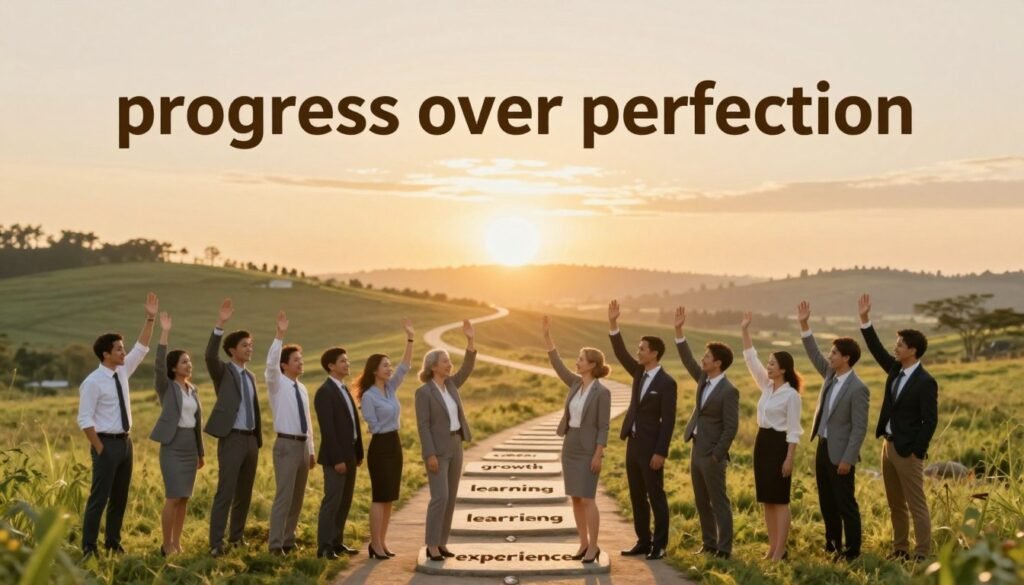
6. Why Progress Over Perfection Is Your Greatest Asset
Making small, consistent changes can greatly improve our well-being and longevity. As we aim for a longer life, we must avoid the trap of seeking perfection. Instead, focusing on progress leads to lasting and meaningful changes.
Perfectionism can trap us, making us strive for an unattainable goal. This can lead to frustration and burnout. It’s harmful to our longevity goals, making us give up.
How Perfectionism Sabotages Your Longevity Goals
Perfectionism can hinder our longevity goals in many ways. It makes us think that if we can’t do something perfectly, it’s not worth it. This can stop us from making progress, as we might get stuck in planning or fear making mistakes.
It also makes us focus too much on the end result. This can cause us to overlook the small, gradual changes needed for success.
The Compound Effect of Small, Consistent Improvements
On the other hand, small, consistent improvements can have a compound effect on our well-being. Tiny changes in our daily habits can lead to big improvements over time.
This method lets us celebrate small wins and keep moving forward. It helps us stay positive and resilient in reaching our longevity goals.
Remember, every small step is important as we work toward a longer life. By valuing progress over perfection, we can find a more fulfilling path to our goals.
7. Essential Healthy Habits That Fuel Long-Term Wellness
Healthy habits are key to a long, healthy life. By adding certain habits to your day, you can boost your health and happiness.
Nutritional Choices That Support Cellular Health
Eating the right foods is vital for your cells. Diets full of antioxidants, fiber, and healthy fats protect your cells and keep your body working well. Eating whole foods like fruits, veggies, nuts, and seeds gives you the nutrients you need for a healthy life.
It’s also important to limit processed foods and sugars. These can harm your health over time. Making smart food choices helps your body repair itself and builds a strong foundation for wellness.
Movement Patterns That Maintain Strength and Mobility
Regular exercise keeps you strong and mobile. Doing a mix of aerobic exercises, strength training, and flexibility workouts helps you stay resilient and lowers disease risk. Choose activities you love and can keep up with for a long time.
Adding movement to your day can be easy. Try walking fast, doing yoga, or other fun activities. The most important thing is to stay consistent and listen to your body, making changes as needed to avoid injury and keep moving well.
Sleep and Recovery as Longevity Cornerstones
Sleep and recovery are vital but often ignored. Quality sleep helps your body and mind heal and stay healthy. Getting enough sleep and creating a cozy sleep space can greatly improve your rest.
Also, give your body time to recover between workouts and use stress-relieving techniques. This helps your body heal naturally. By focusing on sleep and recovery, you boost your resilience and support your long-term health.
By adopting these healthy habits and sticking to your wellness plan, you can live a long, healthy, and fulfilling life.
8. The Critical Role of Mental Well-Being in Aging Gracefully
Our mental well-being is key to aging well. It’s about our attitude, emotional strength, and daily choices. Aging affects us physically, emotionally, and mentally.
Stress Management Techniques for Daily Life
Stress management is essential for our mental health. Mindfulness meditation and deep breathing exercises help lower stress. Physical activity also reduces stress and boosts mood.
Here are some daily stress management techniques:
- Meditation and mindfulness practices
- Regular physical exercise
- Journaling or expressive writing
- Connecting with nature
Finding Purpose and Meaning at Every Life Stage
Finding purpose is critical for our mental health. It comes from our career, relationships, and achievements. Try hobbies, volunteer, or set new goals to find meaning.
The Longevity Benefits of Social Connection
Social connections greatly impact our health. Strong relationships and new ones can lead to a longer, healthier life. Focus on growing your social network.
| Benefits of Social Connection | Description | Impact on Longevity |
|---|---|---|
| Emotional Support | Reduces loneliness and isolation | Improves mental health |
| Physical Health | Encourages healthy behaviors | Lowers chronic disease risk |
| Cognitive Function | Stimulates mental activity | Delays cognitive decline |
By focusing on mental well-being, we can improve our aging experience. Reflect on your current practices. Think about how to live a more fulfilling, resilient life as you age.
9. How to Start Small and Build Lasting Change
We can start making real changes by focusing on one goal at a time. This makes the task easier and helps us succeed by setting small goals.
Choosing Your First Manageable Wellness Change
The first step is to pick an area where we can make a real difference. It could be as simple as drinking more water or going for a short walk every morning. The goal is to choose something we can do and that fits with our bigger wellness goals.
To make this choice, think about what you already do and what you want to change. Make sure your first step is something you can keep up with for a long time.
Creating Momentum Without Feeling Overwhelmed
After picking your first change, add it to your daily routine without feeling stressed. Start with small steps and build up. For example, if you want to start exercising, start with just a few minutes a day and add more as you get used to it.
Another good idea is to stack your new habits onto old ones. This means linking your new habit to something you already do, like stretching after brushing your teeth in the morning.
Micro-Habits That Generate Exponential Results
Micro-habits are small actions that can lead to big wellness improvements. Examples include taking deep breaths before bed, doing squats during TV commercials, or drinking water as soon as you wake up.
Micro-habits are great because they’re simple and don’t take much time. They’re easy to start and keep up with. Over time, these small actions can add up to big changes in our health and well-being.
By starting small, we can make lasting changes. It’s about making progress, not being perfect. Every small step helps us get closer to our wellness goals.
10. Proven Strategies for Staying Consistent Over Time
Having a long-term mindset means finding ways to stay consistent, even when we don’t feel like it. It’s not just about having the willpower. It’s about creating an environment that supports our goals for the long haul.
Designing Systems That Work When Motivation Fades
To stay consistent, we need systems that work even when we’re not feeling it. We should set up routines and habits that become second nature. For example, making exercise a daily habit, like a morning walk, makes it easier over time.
Technology can also help. Apps and reminders can track our progress and keep us on track. By planning and automating our wellness routine, we can keep going even when we don’t feel like it.
Tracking Your Journey Without Becoming Obsessive
Tracking our progress is important for staying consistent. It shows us how far we’ve come and where we need to improve. But, we shouldn’t get too caught up in tracking. It’s all about finding a balance.
Using tracking tools wisely helps us stay informed without getting overwhelmed. This way, we can focus on our journey without losing sight of our goals.
Building Accountability Through Community and Support
Having a supportive community and accountability partners is key. Surrounding ourselves with people who share our goals gives us a boost. It makes staying committed to wellness easier.
By using these strategies—designing effective systems, tracking wisely, and building a supportive community—we can achieve our wellness goals. It’s all about staying consistent in the long run.
11. Overcoming Obstacles on Your Longevity Mindset Path
The journey to a longevity mindset is not easy. It’s filled with challenges that test our strength and will. As we aim for wellness, we must be ready to face and beat obstacles that might stop us.
Bouncing Back From Setbacks and Plateaus
Setbacks and plateaus are part of any wellness journey. Success comes from learning to bounce back, not from avoiding challenges. Resilience grows by facing difficulties head-on and adjusting as needed. When we hit a setback, we should figure out what went wrong and change our plan to move forward.
For example, if we miss a few workouts, we shouldn’t give up. We can start again with a plan we can stick to. Remember, “Fall seven times, stand up eight.” This mindset is key to lasting success.
“The greatest glory in living lies not in never falling, but in rising every time we fall.”
Challenging Ageism and Limiting Beliefs
Ageism and limiting beliefs can slow us down on our path to a longevity mindset. We often believe that aging means decline. It’s important to challenge these views and see aging as a time of growth and energy.
By viewing aging positively, we can break free from ageist stereotypes. We focus on what we can do and the opportunities age brings, not what we can’t do.
Balancing Wellness With Life’s Competing Demands
One big challenge is balancing wellness with other life demands. We need to find a way to prioritize our health without losing out on other important things.
To do this, we can make wellness a part of our daily life. Here’s a simple table to show how to balance different parts of life:
| Aspect of Life | Wellness Integration | Benefits |
|---|---|---|
| Work | Take short breaks for stretching | Increased productivity, reduced stress |
| Family Time | Engage in physical activities together | Stronger bonds, improved health |
| Social Life | Choose healthy options when dining out | Better nutrition, maintained social connections |
By making these small changes, we can keep our wellness goals while taking care of other responsibilities and enjoying life.
In conclusion, to overcome obstacles on the path to a longevity mindset, we need resilience, a positive view of aging, and the ability to balance wellness with life’s demands. By using these strategies, we can face challenges and keep moving towards intentional wellness.
12. Reflecting on and Honoring Your Wellness Journey
The journey to wellness is not just about moving forward; it’s also about reflecting on how far we’ve come. As we continue on our path towards a longevity-focused mindset, it’s essential to pause and acknowledge the progress we’ve made. Reflecting on our wellness journey allows us to assess our current state, celebrate our achievements, and identify areas for further growth.
Powerful Questions for Self-Assessment
To reflect effectively, we can ask ourselves powerful questions that prompt introspection and self-awareness. What are the most significant changes we’ve made to our lifestyle? How have these changes impacted our overall well-being? What challenges have we faced, and how have we overcome them? By exploring these questions, we gain valuable insights into our journey and can make informed decisions about our future path.
Acknowledging Your Growth and Transformation
Acknowledging our growth and transformation is a key part of reflecting on our wellness journey. By recognizing the progress we’ve made, we reinforce our commitment to our well-being and motivate ourselves to continue moving forward. This acknowledgment can take many forms, from journaling our achievements to sharing our successes with loved ones.
As we acknowledge our growth, we also cultivate a sense of gratitude for the journey itself. We begin to see that every step, whether forward or backward, has contributed to our current state of being. This perspective fosters a deeper appreciation for the process and encourages us to continue nurturing our well-being.
Adapting Your Approach as Your Needs Evolve
Reflecting on our wellness journey also allows us to adapt our approach as our needs evolve. As we grow and change, our priorities and circumstances may shift, requiring adjustments to our wellness practices. By regularly assessing our journey, we can identify areas where our approach may need to evolve, ensuring that our practices remain aligned with our current needs and goals.
Through reflection, acknowledgment, and adaptation, we honor our commitment to wellness and continue on our path towards a fulfilling and healthy life.
13. Conclusion: Your Invitation to Nurture Vitality for Years to Come
We end this guide with an invitation to nurture vitality for years ahead. By following the practices shared, you can look forward to a future filled with health and resilience. You’ll also have a strong connection to your well-being.
Adopting a longevity mindset means more than just living longer. It’s about improving the quality of your life. It’s about creating a lifestyle that supports your wellness and empowers you to live fully.
We urge you to keep going on your wellness journey. Let the hope for a long, healthy life inspire you. This way, you’ll be ready to face life’s challenges with purpose and fulfillment.
Embracing a longevity mindset is a journey, not a final goal. It’s about making choices that support your well-being. As you move forward, stay committed to nurturing vitality. Celebrate every small victory along the way.