That little butterfly-shaped gland in your neck may be small, but it certainly knows how to make itself noticed when things are not quite right.
The thyroid produces hormones that help regulate metabolism and influence energy use, body temperature, heart rate, digestion, menstrual function, and many other processes throughout the body.
Perhaps that is why thyroid concerns can sometimes feel so frustrating. You may feel tired. Your hair may seem thinner. Your weight may change. You may become more sensitive to cold, notice dry skin, experience muscle or joint discomfort, or simply feel as though your body has slowed down.
Those can be symptoms of hypothyroidism—but they can also occur for many other reasons. Symptoms alone cannot tell us that the thyroid is the problem.
And that brings us to one of the most important principles of natural wellness:
Support the body—but do not guess about the diagnosis.
Your Thyroid Is Part of a Much Bigger Picture
It is tempting to think of thyroid health as though the thyroid were working all by itself.
It isn’t.
Thyroid function is connected to a much larger system involving the brain, pituitary gland, hormones, nutrients, metabolism, and the body’s ability to manufacture, transport, and use thyroid hormones.
That is one reason I prefer a whole-person approach.
Instead of immediately asking:
“What supplement should I take for my thyroid?”
I would rather begin with:
- What symptoms are actually occurring?
- How long have they been present?
- Have thyroid levels been evaluated?
- What does the overall diet look like?
- Is sleep adequate?
- Is chronic stress part of the picture?
- Are there digestive or absorption concerns?
- Are medications or supplements affecting nutrient status?
- Could something other than the thyroid be contributing?
There is rarely anything wrong with asking a few more questions before reaching for another bottle.
In fact, it is often one of the smartest things we can do.
Nutrition Matters—but More Is Not Always Better
The thyroid requires nutrients to perform its normal work.
Iodine is perhaps the best-known example. The body needs iodine to make thyroid hormones T4 and T3.
That doesn’t mean everyone should immediately start taking extra iodine.
This is where natural health advice can sometimes become overly simplistic.
Large amounts of iodine can actually create thyroid problems in susceptible individuals, and people with autoimmune thyroid disease may be particularly sensitive to excessive iodine intake. NIDDK specifically cautions that foods or supplements containing very large amounts of iodine, including some seaweed products, can worsen hypothyroidism in people with Hashimoto’s disease.
So the goal is not:
“If a little is necessary, a lot must be better.”
The goal is adequacy and balance.
That distinction matters with nutrients throughout the body.
Selenium and the Thyroid
Selenium is another nutrient worth understanding.
The thyroid contains a relatively high concentration of selenium, and selenium-containing proteins are involved in thyroid hormone metabolism as well as antioxidant protection.
This has understandably generated considerable interest in selenium supplements for thyroid health.
But here again, we need a little perspective.
A nutrient being necessary for normal thyroid function does not automatically mean that taking additional amounts will correct thyroid disease.
Research on selenium supplementation for autoimmune thyroid conditions has produced mixed results, and supplementation has not consistently been shown to improve thyroid function or quality of life.
That doesn’t make selenium unimportant.
It simply means we should respect the difference between supporting normal physiology and treating disease.
That is an important distinction in herbal medicine, nutritional medicine, and conventional medicine alike.
What About Zinc, Magnesium and Other Minerals?
Minerals rarely work alone.
Zinc, for example, participates in hundreds of enzyme reactions and contributes to immune function, protein and DNA synthesis, cellular signaling, wound healing, growth, and many other functions.
Magnesium, copper, manganese, selenium, zinc, iodine and numerous other nutrients participate in the intricate chemistry that keeps the human body functioning.
This is one reason a varied, nutrient-dense diet remains such an important foundation.
Before becoming overly focused on a single “thyroid food” or “thyroid nutrient,” look at the larger pattern.
Are meals primarily made from whole foods?
Are you eating enough protein?
Is there reasonable variety?
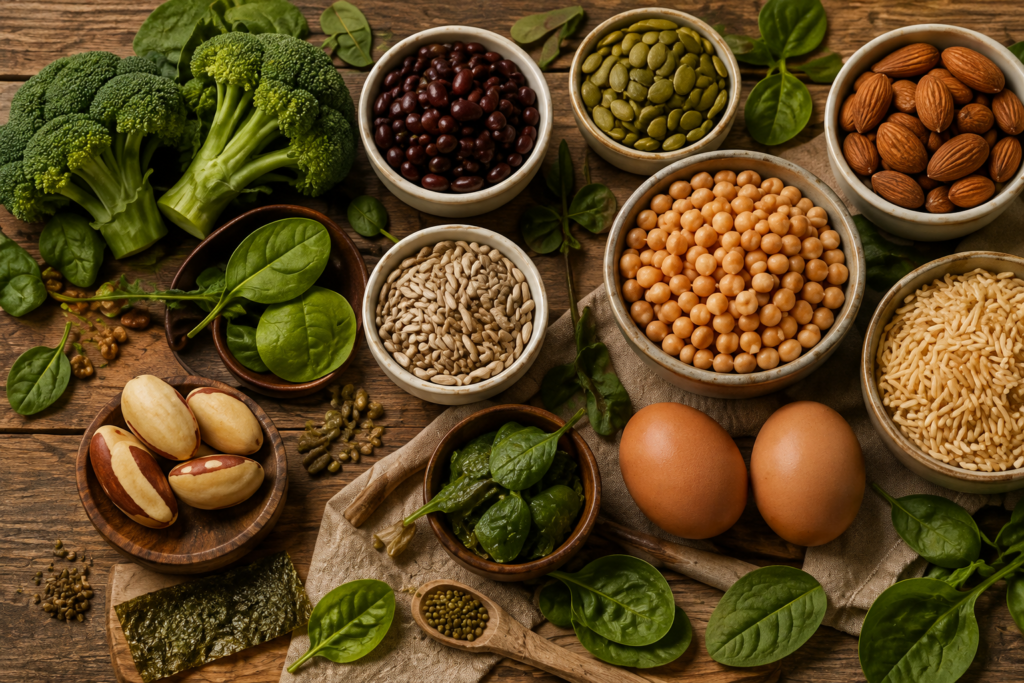
Are vegetables, fruits, nuts, seeds, legumes and other nutrient-rich foods regularly included?
Nutrition doesn’t need to be perfect.
But the body does appreciate having the basic building materials it needs.
Then There Are the Things That Aren’t in a Supplement Bottle
We cannot talk about whole-person wellness without talking about daily life.
Sleep matters.
Movement matters.
Stress matters.
So does eating regularly enough to nourish the body instead of perpetually running on coffee, determination and fumes.
And no—I am not suggesting that stress causes every thyroid condition or that sleeping eight hours will cure hypothyroidism.
It won’t.
I am saying that someone can have a medically treated thyroid disorder and still feel poorly if the rest of the body is being neglected.
Wellness is layered.
Sometimes medication corrects one layer while nutrition, movement, sleep, emotional health and lifestyle support the others.
That isn’t either/or medicine.
That is simply taking care of the whole human being.
When Testing Matters
If you are experiencing persistent symptoms that suggest a thyroid problem, appropriate testing is far more useful than trying to diagnose yourself from a checklist online.
Doctors commonly use blood tests such as TSH and T4, with additional testing—including T3 or thyroid antibodies—used when appropriate to the clinical situation.
This becomes especially important because fatigue, weight changes, hair thinning, depression, menstrual changes and muscle discomfort can have numerous causes.
Sometimes it is the thyroid.
Sometimes it isn’t.
Knowing what you are actually dealing with gives you a much better starting point.

If You Already Have Hypothyroidism
If you have been diagnosed with hypothyroidism, nutritional and lifestyle support can be part of your overall wellness plan—but they do not replace thyroid hormone when your body needs it.
Standard treatment for hypothyroidism is thyroid hormone replacement, most commonly levothyroxine.
Please do not stop or change thyroid medication because you begin using herbs, vitamins, minerals, or another natural product.
Natural and conventional approaches do not need to be enemies.
I have never believed they should be.
The better question is:
What combination of appropriate medical care, nutrition and supportive lifestyle choices helps this particular person function at her best?
That answer will not look exactly the same for everyone.
Where a Thyroid-Wellness Supplement May Fit
Some people prefer the convenience of a mineral-based supplement as one piece of their overall nutritional routine.
One option currently available through Healing Haven Oasis is Complete Thyroid – Thyroid Wellness Support.
According to the manufacturer’s information, the formula contains a mineral blend including:
- Selenium
- Zinc
- Copper
- Magnesium
- Manganese
It is marketed as a dietary supplement for adults interested in nutritional support as part of a broader thyroid-wellness routine. It is not thyroid medication and is not intended to diagnose, treat, cure, or prevent thyroid disease.
If you would like to learn more, you can review the product, ingredients, warnings and manufacturer’s information here:
[LEARN MORE: Complete Thyroid – Thyroid Wellness Support]
https://www.healinghavenoasis.online/products/thyroid
If you take thyroid medication or other medications, have a diagnosed thyroid disorder, are pregnant or nursing, or manage another medical condition, discuss supplements with your healthcare professional before adding them.
Back to the Foundations
Thyroid wellness doesn’t begin with a miracle pill.
It begins with understanding what your body is telling you.
Feed it well.
Move it.
Let it rest.
Pay attention to persistent changes.
Investigate symptoms instead of simply naming them yourself.
Correct deficiencies when they actually exist.
Use herbs and supplements thoughtfully.
And use good medical care when it is needed.
There is plenty of room for both science and natural wellness at the same table.
In fact, I think that is often where some of our best healing conversations begin.
Medical Disclaimer
This article is provided for educational and informational purposes only and is not intended to diagnose, treat, cure, or prevent any disease or to replace individualized medical care. Thyroid disorders require appropriate evaluation and treatment. Do not begin, discontinue, or change prescribed thyroid medication without consulting a qualified healthcare professional.
Affiliate Disclosure
Some links in this article may be affiliate links. If you make a purchase through one of these links, Longer Life Journey or Healing Haven Oasis may receive a commission at no additional cost to you. Product inclusion does not constitute a claim that the product treats thyroid disease.
AI-Assistance Disclosure
AI tools were used to assist with research organization, drafting, and editorial development. The final educational perspective and content were developed and reviewed under the author’s direction.